Revision rhinoplasty assesses shape or function after previous nasal surgery. Scar tissue, altered support, and available cartilage require a particularly detailed assessment.
Exclusive focus on the face Personalized assessment Care in English and Spanish
Assessment comes first
Your anatomy is the starting point.
Revision surgery requires studying existing structures, surgical history, and tissue quality. The plan is defined after an individual functional and aesthetic assessment.
The consultation helps us understand your expectations and explain the options, risks, and follow-up. Results and recovery depend on each individual.
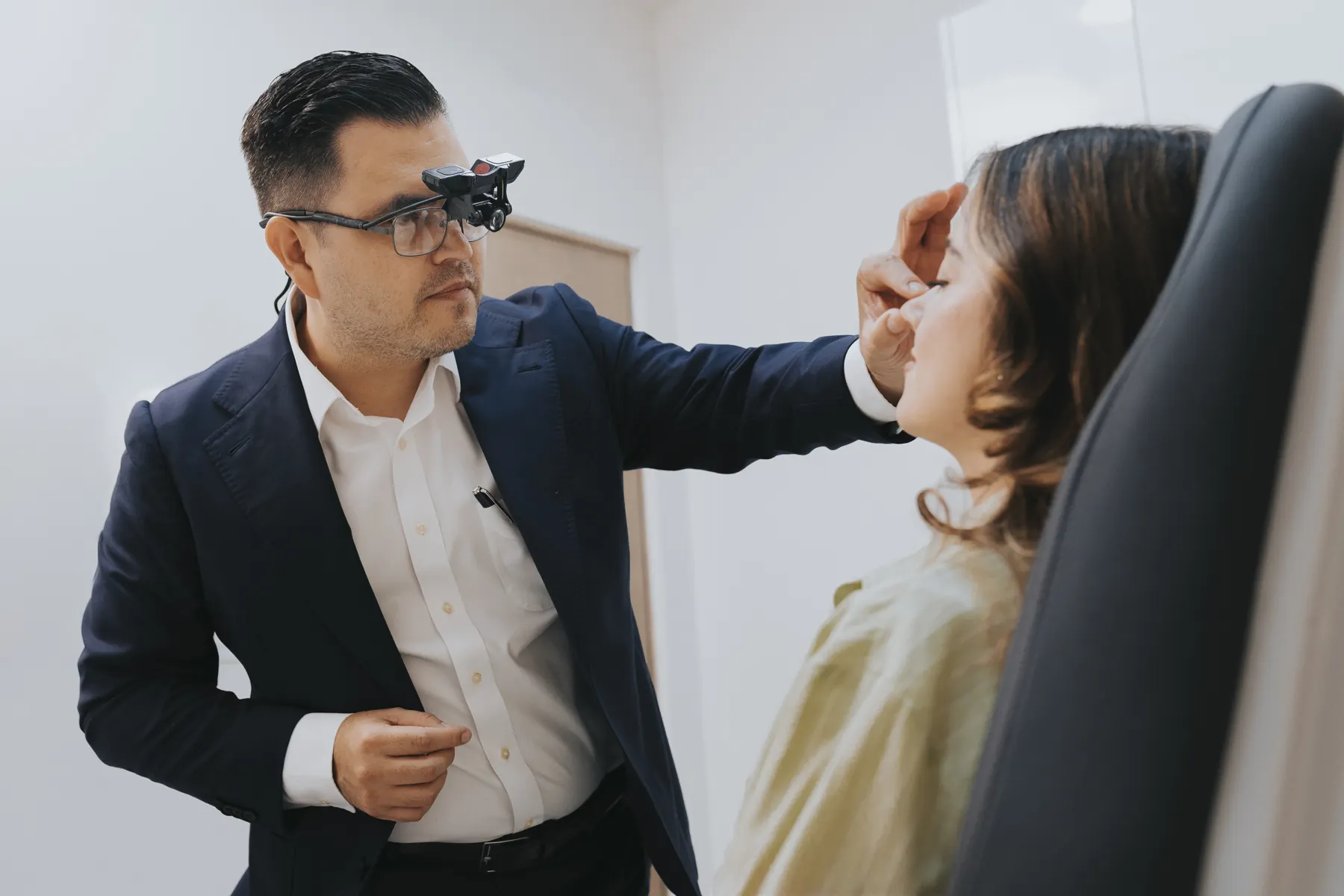
Assessment includes your surgical history, structural examination, and clinical photographs. Previous photographs or surgical reports may help explain the changes. Dr. Santos listens to your goals and discusses realistic possibilities.
Asymmetry and changes to the tip or bridge.
Nasal support and tissue quality after the previous procedure.
Breathing and functional symptoms.
Healing progress and expectations for another operation.
02
About revision rhinoplasty
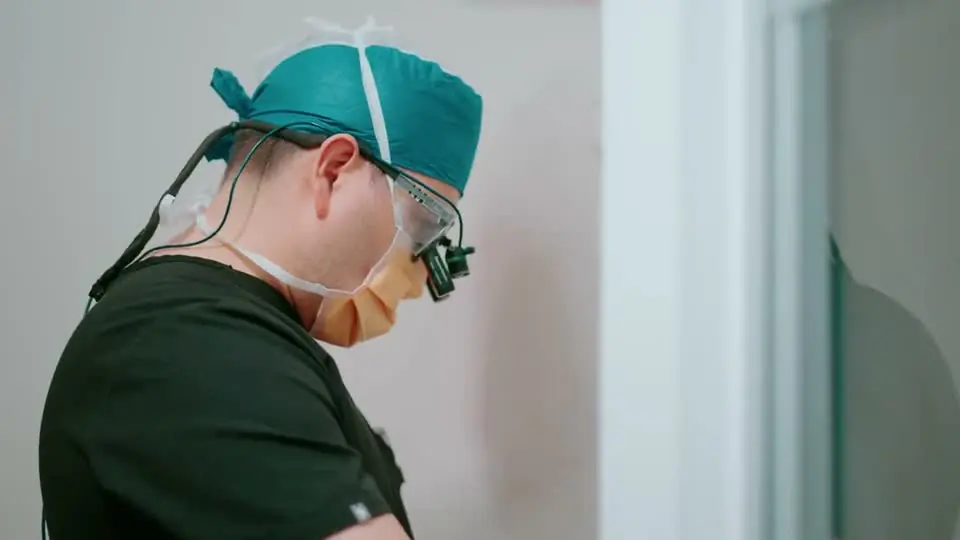
Depending on the case, the surgeon may reshape or reposition structures and use grafts to restore support. Cartilage may come from the nose or, when there is not enough, from the ear or rib.
The approach, anesthesia, and need for grafts are explained during planning. Previous operations can increase complexity and limitations; not every desired change is achievable.
03
Recovering at home
Aftercare is tailored to the extent of the revision and any graft donor sites. Arrange support, rest, and help with your first activities at home.
Swelling, bruising, and discomfort vary. The team advises when to attend follow-up and resume work, exercise, or travel based on your recovery.
04
Results and follow-up
Nasal refinement takes time and may progress more slowly after revision. Results depend on tissue condition, healing, and previous procedures. Follow-up helps assess changes over the long term.
This information supports your consultation and does not replace an individual assessment. Technique, risks, recovery, and results vary from person to person.
Let’s talk openly.
Is a second revision possible?+
It may be considered after an individual assessment, but each additional operation may increase complexity, risks, and limitations. The specialist must evaluate the tissues and previous procedures before recommending surgery.
Why is ear cartilage used?+
In certain cases it can provide tissue to reconstruct or reinforce structures when nasal cartilage is insufficient. Graft selection depends on the shape and support needed.
When might rib cartilage be used?+
It may be an option when more cartilage or greater strength is needed than other donor sites can provide. The surgeon explains the donor site, scar, alternatives, and risks.
How long should I wait before revision?+
Healing and swelling need time to settle. A period of at least a year is often considered, but the appropriate timing must be determined individually, especially when functional problems or complications are present.
Care at every stage
An informed decision. A supported journey.
From the first conversation to planning and follow-up, every step is coordinated around your case.
Your first consultation
Let's discover your own balance.
Begin with a conversation. The team will help coordinate an in-person or virtual assessment.