
A personalized approach
Assessment considers age, cartilage characteristics, skin, symmetry, and expectations. Planning studies the proportions between the ears and the rest of the face.

Otoplasty changes ear shape, position, or proportions. It may also form part of reconstruction for congenital differences, injury, or previous surgery. Surgery of the outer ear is not intended to improve hearing.
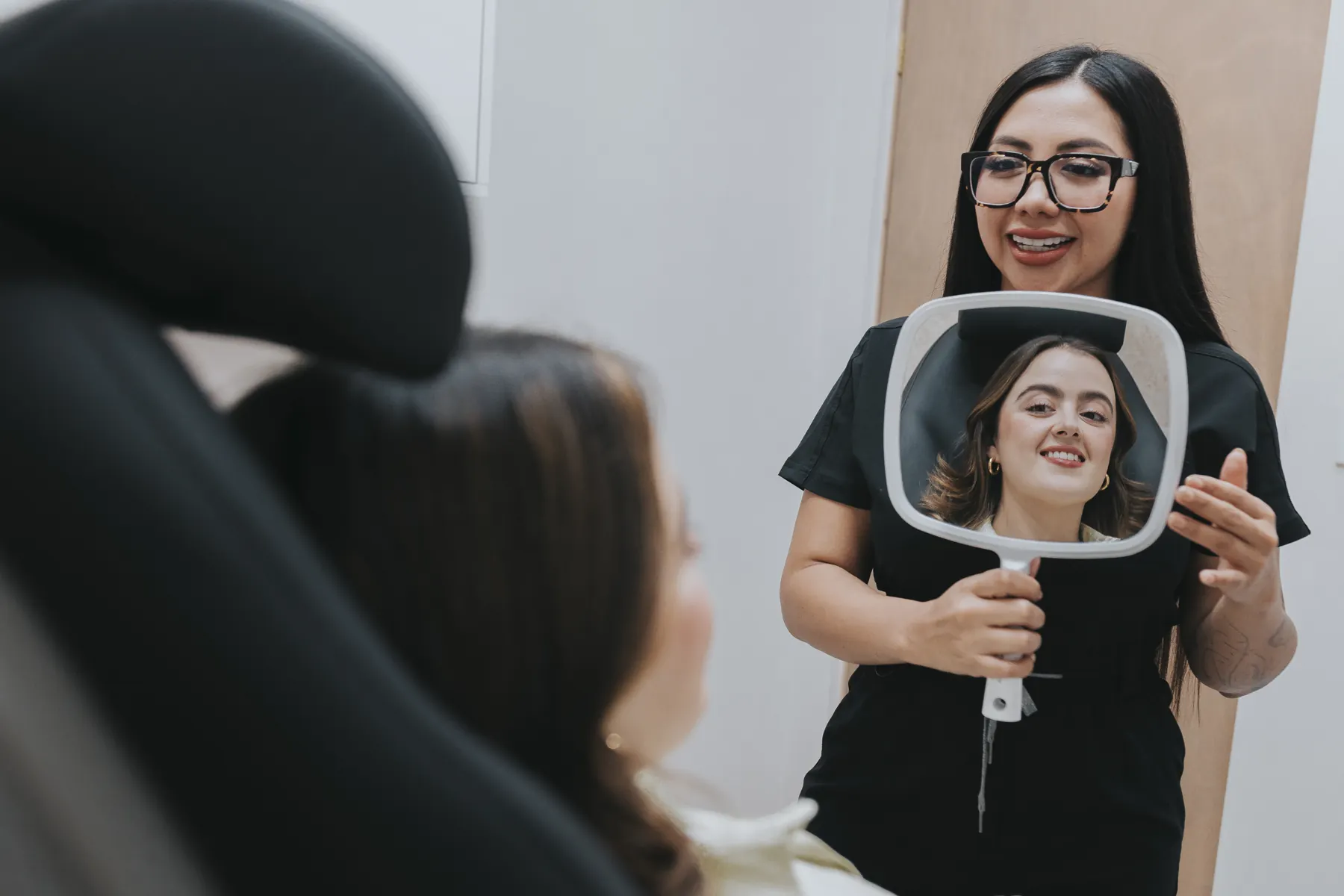
The assessment identifies ear cartilage characteristics, symmetry, and expectations. Surgical options and the recovery process are explained before making a decision.
The consultation helps us understand your expectations and explain the options, risks, and follow-up. Results and recovery depend on each individual.
Explore the proceduresAssessment considers age, cartilage characteristics, skin, symmetry, and expectations. Planning studies the proportions between the ears and the rest of the face.
Consultation includes medical history and an ear examination. Clinical photographs help evaluate the structures and discuss correction options.
Factors that may affect surgery are reviewed, including smoking, blood pressure, healing, and clotting concerns. Before a decision, the specialist explains the technique, anesthesia, setting, possible complications, and costs.
The estimate depends on the reason for surgery and its complexity. A single price cannot be applied without an assessment.
Anesthesia may be local with sedation or general, according to the case. The surgeon explains how the cartilage will be reshaped and where incisions will be placed.
Dressings and, when indicated, a support band may be used afterward. Discomfort, rest, sleeping position, and how long to use these supports are discussed with the team; avoid pressure on the ears unless your surgeon advises otherwise.
Request an assessment to discuss the features you would like to change or a reconstructive need. Dr. Santos explains alternatives and follow-up before developing a plan.
This information supports your consultation and does not replace an individual assessment. Technique, risks, recovery, and results vary from person to person.
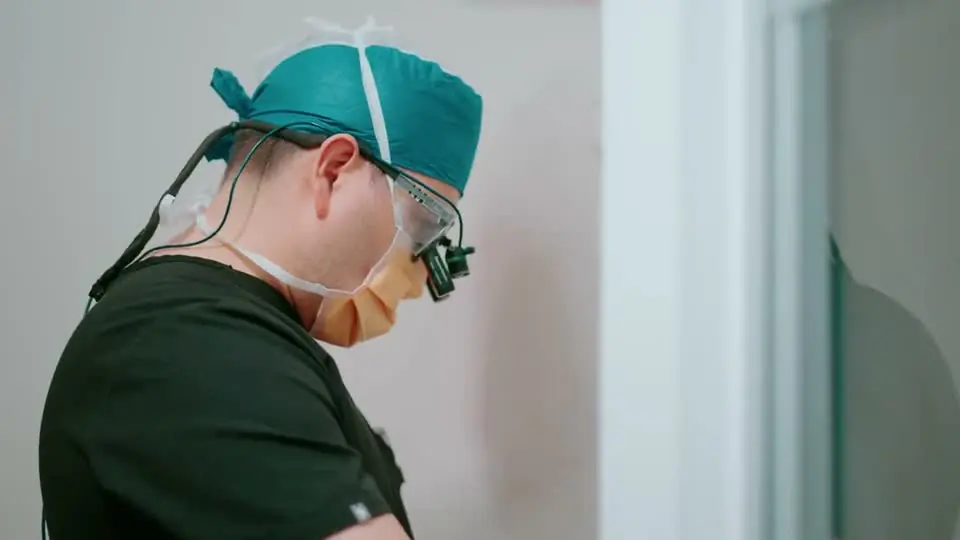
From the first conversation to planning and follow-up, every step is coordinated around your case.

Begin with a conversation. The team will help coordinate an in-person or virtual assessment.
Chat on WhatsAppRequest your personalized consultation.